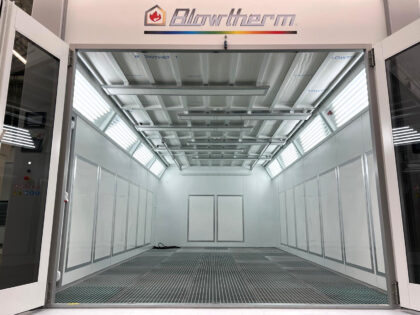
100% electrically powered coating systems to reduce energy costs. Lower emissions, higher productivity.
Painting systems are increasingly oriented towards electric or hybrid power solutions, employing innovative technologies that exclusively use electric energy.
These technologies represent a step toward environmental sustainability and energy efficiency in the paint industry, traditionally known for its high energy consumption.
Transition to electric while reducing energy costs
All-electric painting systems: tailor-made solutions for every process
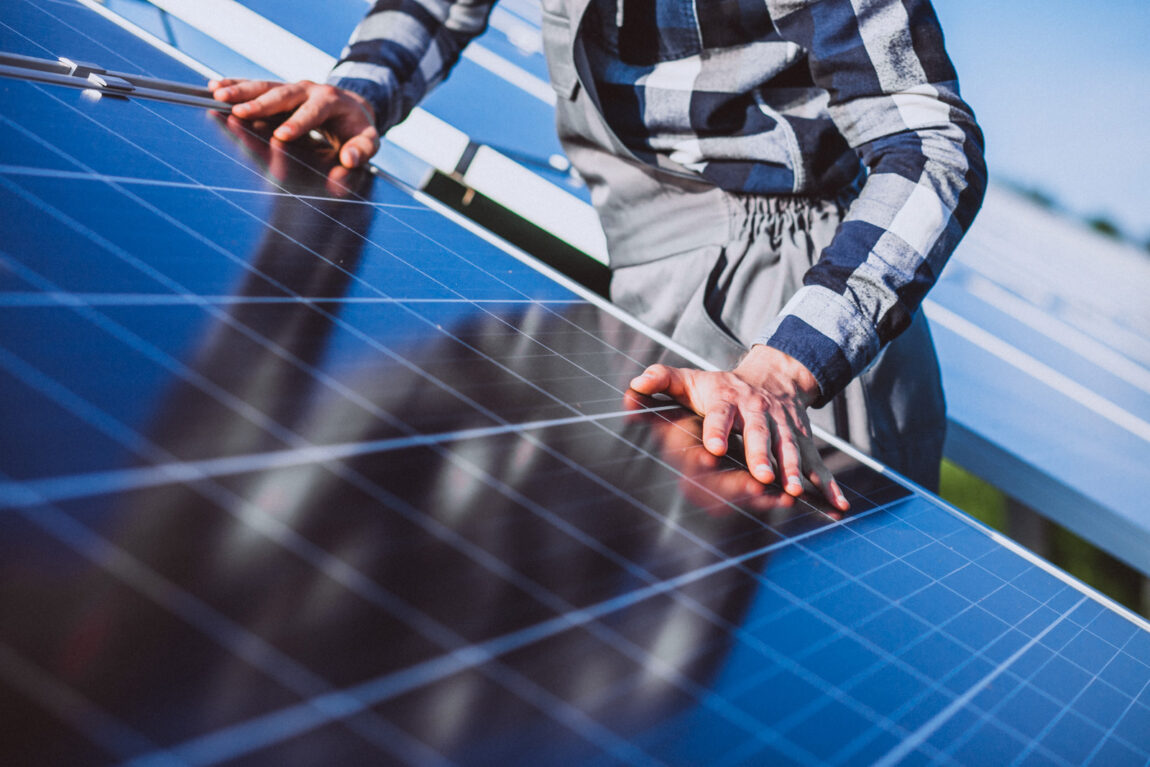
All-electric systems consume only electricity and offer a sustainable option for painting.
Combined with self-generating power plants, these systems can achieve minimal energy consumption and zero CO2 emissions.
Since there are no burners, there is no need to obtain permission from the relevant authorities, making this solution particularly suitable if the presence of a burner is problematic.
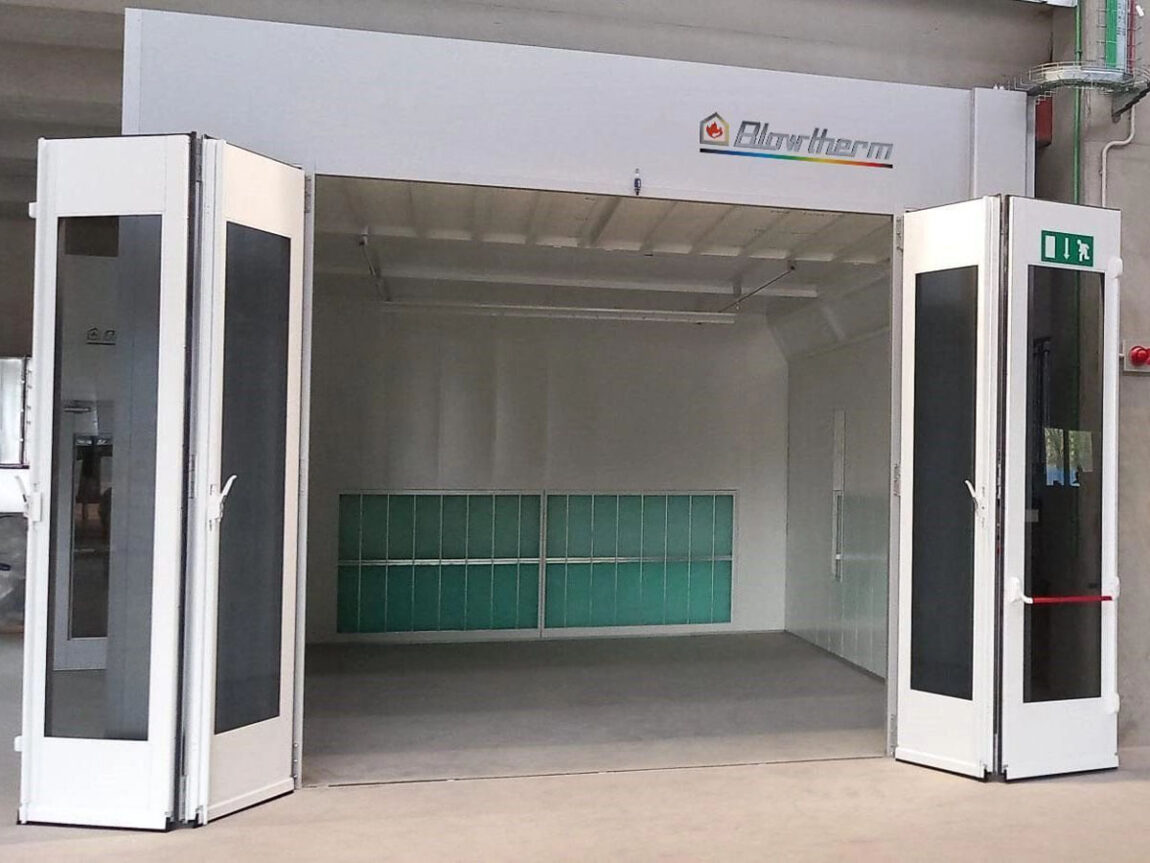
Painting systems with ventilation unit with electric battery
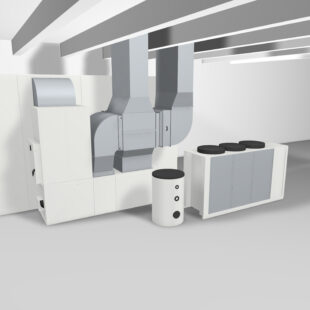
This solution takes advantage of a high efficiency thermoventilating unit with heat recuperator, combined with an electric battery.
Operating in the traditional way, the system generates a uniform air flow that ensures an even temperature at every point in the cabin.
This ensures that the entire surface of the objects to be painted reaches the set temperature, regardless of their quantity and geometry. This system is particularly suitable for the simultaneous drying of different objects, maximizing the use of the available space in the booth.
Advantages
- Uniform temperature at every point in the booth.
- Easy installation: no chimney, no gas lines, no restrictions typically applied to gas (clearances, safety, etc.).
- Reaching phase temperature fairly fast (slower than gas, but much faster than water).
- Installation price similar to that of a gas burner system.
- Possibility of using energy produced by photovoltaic panels.
- Suitable for high/low air velocities.
- Precise temperature setting.
Disadvantages
- Large electrical panels require electrical cables of high cross section and cost.
- High electrical powers require electrical system design by an engineer.
Painting systems with infrared drying lamps
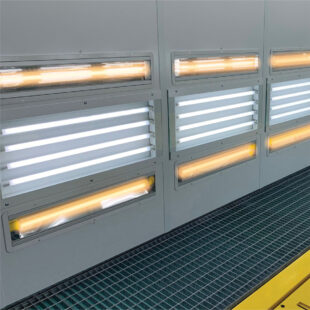
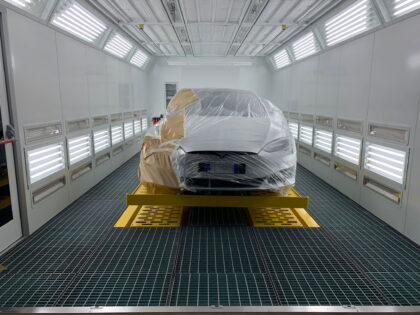
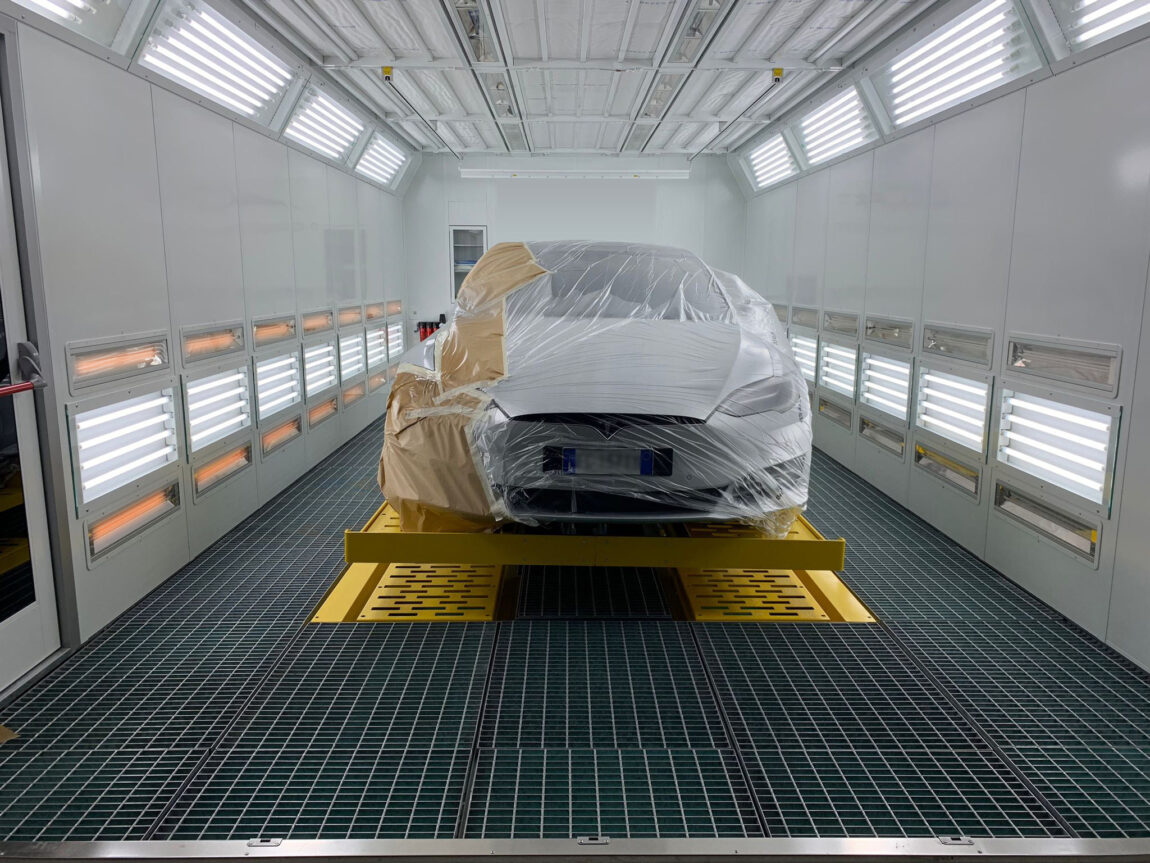
This solution adopts an innovative drying system that uses infrared lamps built into the cabin walls.
The IR lamps are precisely controlled by a touchscreen PLC, which enables selective activation of the lamps needed for the surface to be painted.
The drying process is rapid and is particularly suitable for body shops and repair centers, where, often, a single object with a relatively flat geometry needs to be painted.
Advantages
- Very fast curing phase.
- Very low energy consumption during the curing phase (fan power at 25%).
- Precise control with touchscreen PLC.
- Efficient cycle with reduced consumption.
Disadvantages
- Large electrical panels require electrical cables of high cross section and cost.
- High electrical powers require electrical system design by an engineer.
- Can only be used in oven mode
- During the spraying phase and other phases without recirculation, an additional heating system must be added.
Full electric painting systems
It is a combination of the previous two solutions: a system of infrared lamps built into the cabin walls combined with a high-efficiency thermoventilation unit powered by an electric battery.
This system combines the advantages of the previous two solutions: It increases the advantages while reducing the disadvantages.
Advantages
- High power
- Access to possible government incentives
- No gas connection required
- Being gas free
- Possibility of using self-generated electricity
- Reduced environmental impact, especially if the electricity comes from photovoltaics or other renewable sources
Environmental sustainability
All solutions contribute significantly to CO2 emission reduction and environmental sustainability by reducing or eliminating the use of fossil fuels.
The use of all-electric systems in combination with renewable energy sources is a step toward a more environmentally friendly and responsible coatings industry.